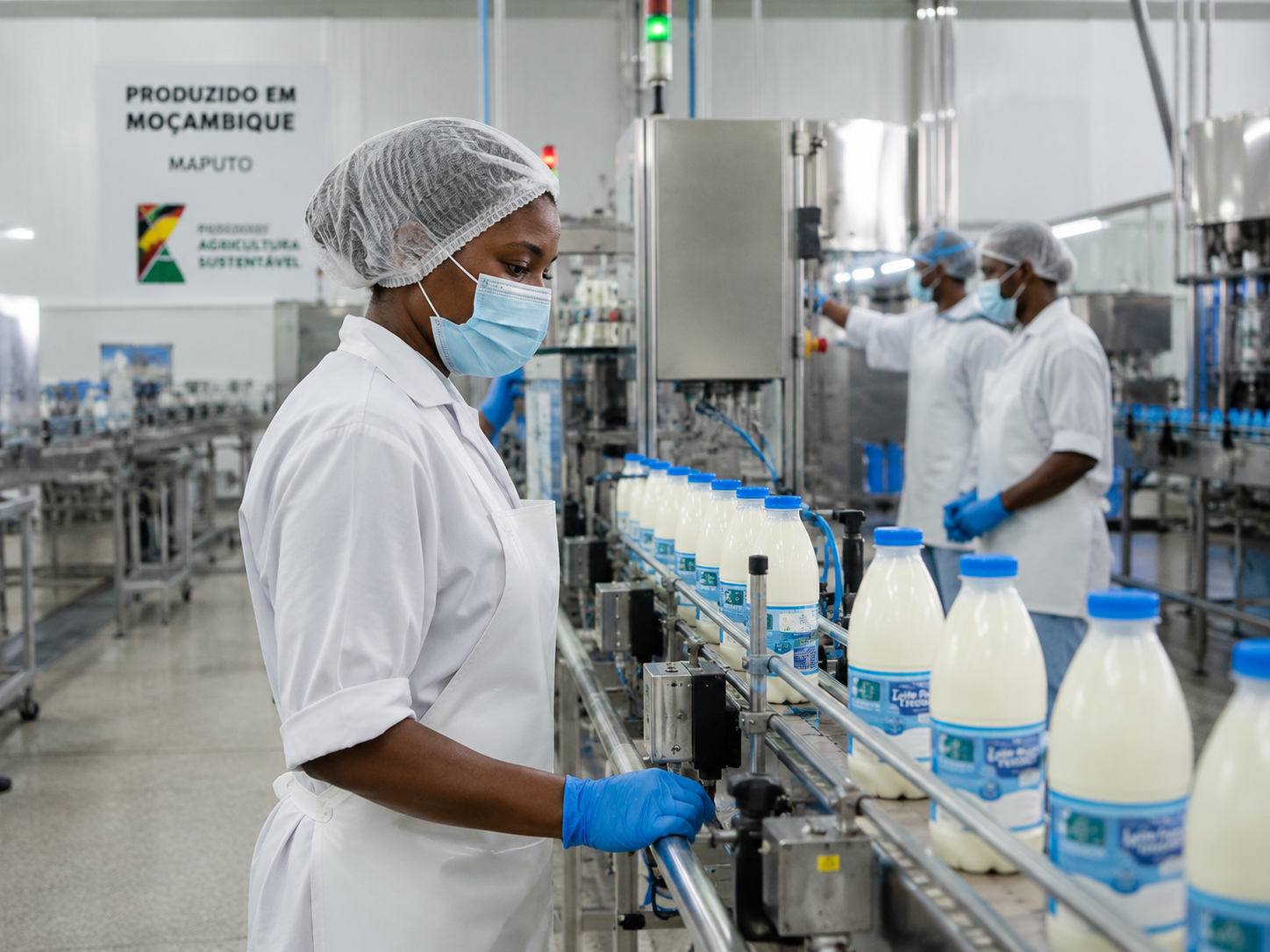

Agrifood Systems & Production
Tracking the value chain from sustainable cultivation and local farming inputs to resilient agricultural frameworks across regional markets.

Academic Programmes
Hosting premier regional Master’s and PhD tracks alongside specialized capacity-building opportunities for next-generation researchers.

Monitoring & Evaluation
Delivering dynamic data models and metrics utilizing integrated KoboToolbox workflows to measure development and program impact.

Knowledge Hub & Repository
Providing open-access data to critical policy papers, comprehensive datasets, and research briefs synced with the university.

Global Collaborations
Partnering actively with premier global agencies, international research institutions, and foundational funding bodies to scale policy impact.

Institutional Events
Convening leading global conferences, expert-led seminars, policy dialogue roundtables, and public short courses year-round.
Featured Publications & Research
Explore our latest high-impact working papers, policy briefs, and regional agrifood datasets.
Regional Food Security Assessment & Nutrition Policy Frameworks
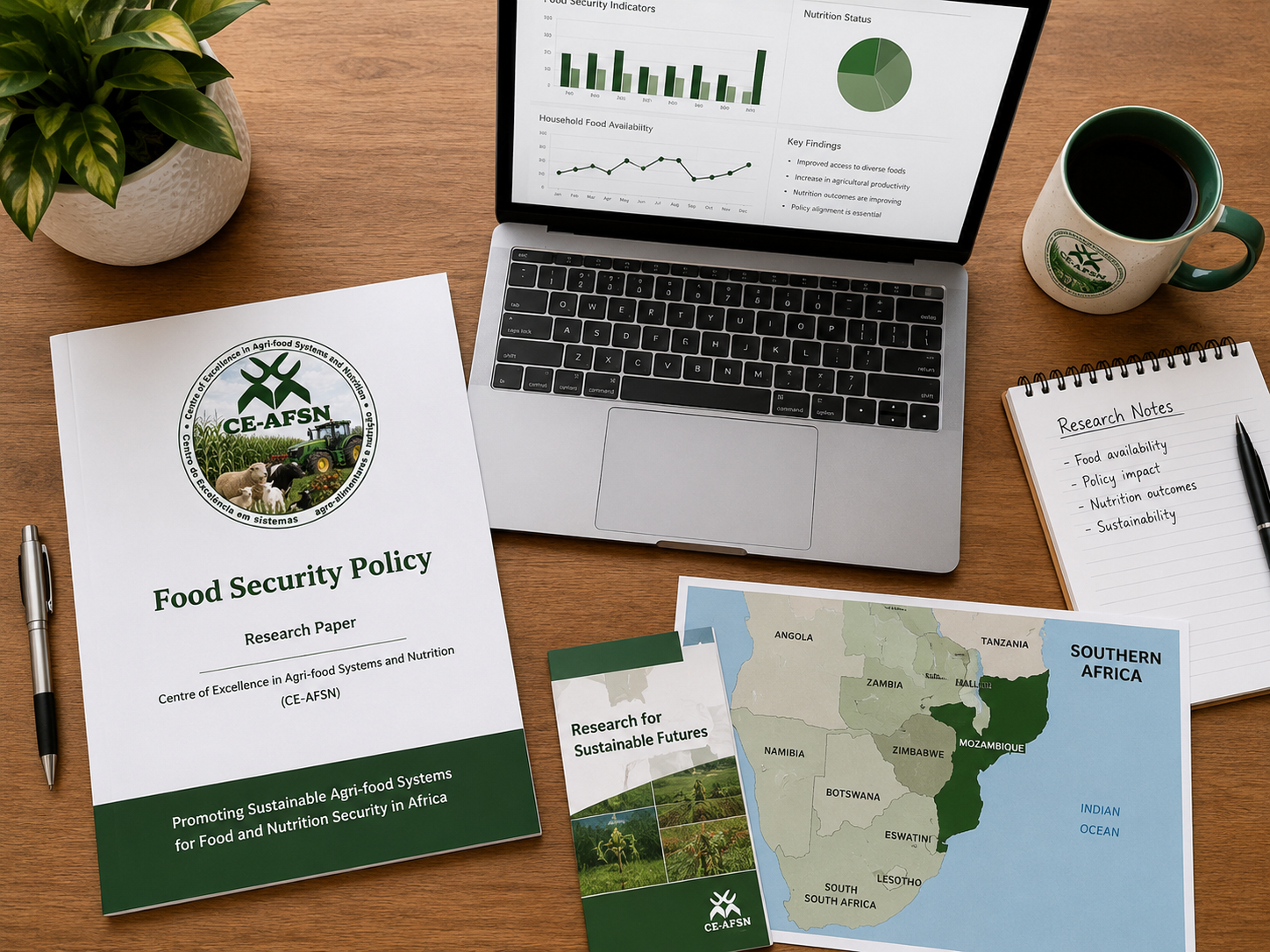
An in-depth analysis of sub-Saharan nutrition policy cycles, household vulnerability indicators, and strategic intervention frameworks.…
Agrifood Value Chain Dynamics: Garden to Plate
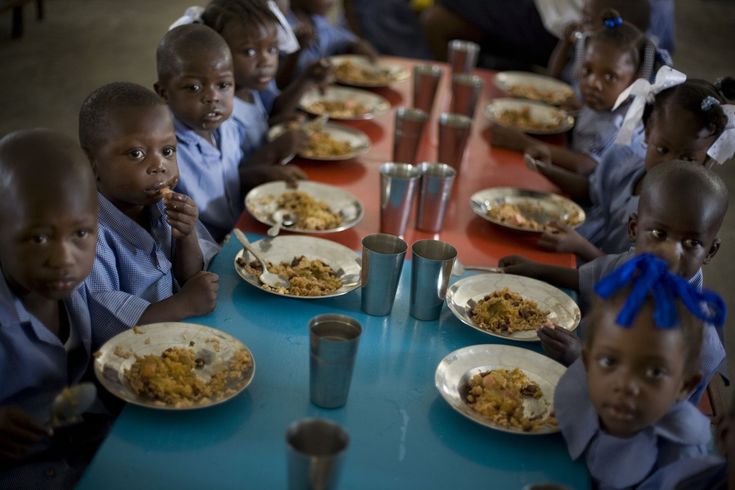
Investigating local market structures, supply-side friction points, and computational tracking models mapping smallholder agricultural distribution…
Institutional M&E Frameworks for Regional Agricultural Growth
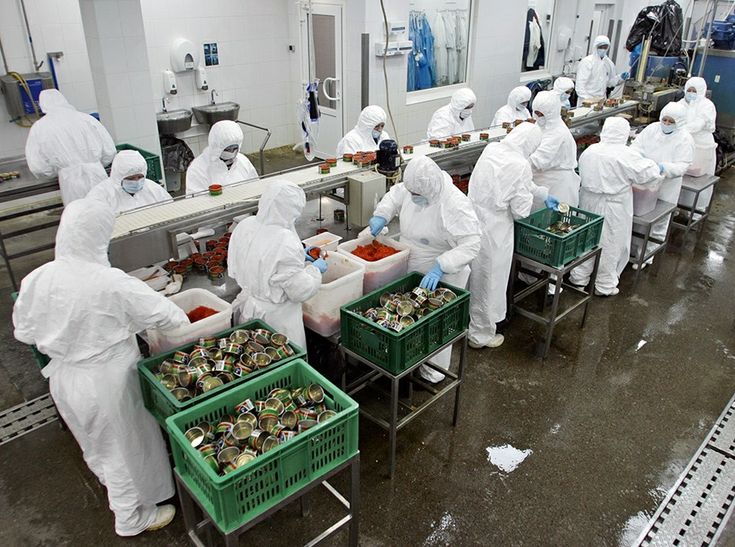
Methodological tracking guidelines leveraging structured KoboToolbox datasets to monitor project impacts, production inputs, and sustainable…
How you’re changing children’s lives” with:
Empowering Professionals with Data-Driven Expertise
2-Week Advanced M&E Intensive
Our premier professional capacity-building track equips institutional officers and researchers with robust hands-on tracking methodologies. Master deployment techniques for regional surveys and real-time field data ecosystems.
Flexible Modular Learning Architecture
Tailored specifically for busy public practitioners, our curriculum is structured into standalone units. Choose between our accelerated Full-Time cohort or steady Part-Time tracks depending on your operational schedule.
CE-AFSN Researchers
Driving multidisciplinary data modeling, regional nutrition policy evaluation, and sustainable agrifood transformation.
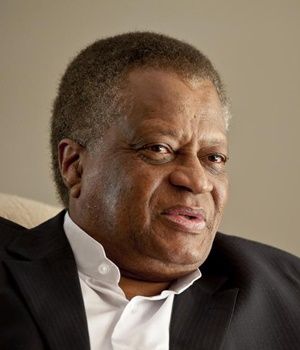
Prof. Henderson
Center Director & Advisor

Dr. Elena Santos
Head of Nutrition Policy

Dr. Amara Diallo
Lead Agrifood Architect
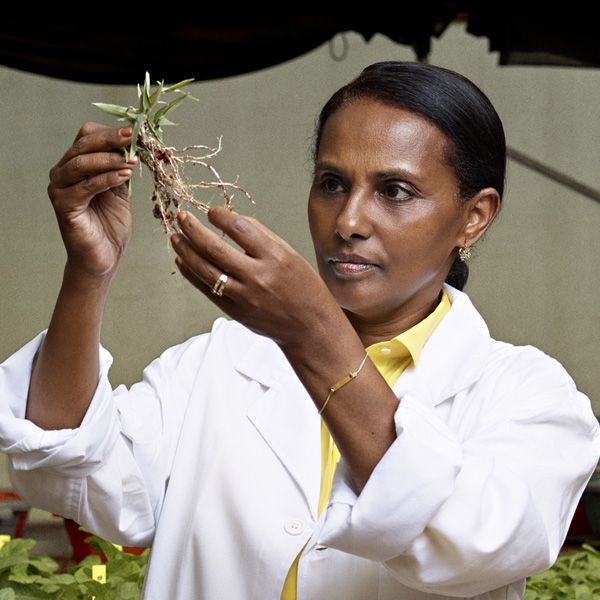
Dr. Amida
Data Systems Engineer
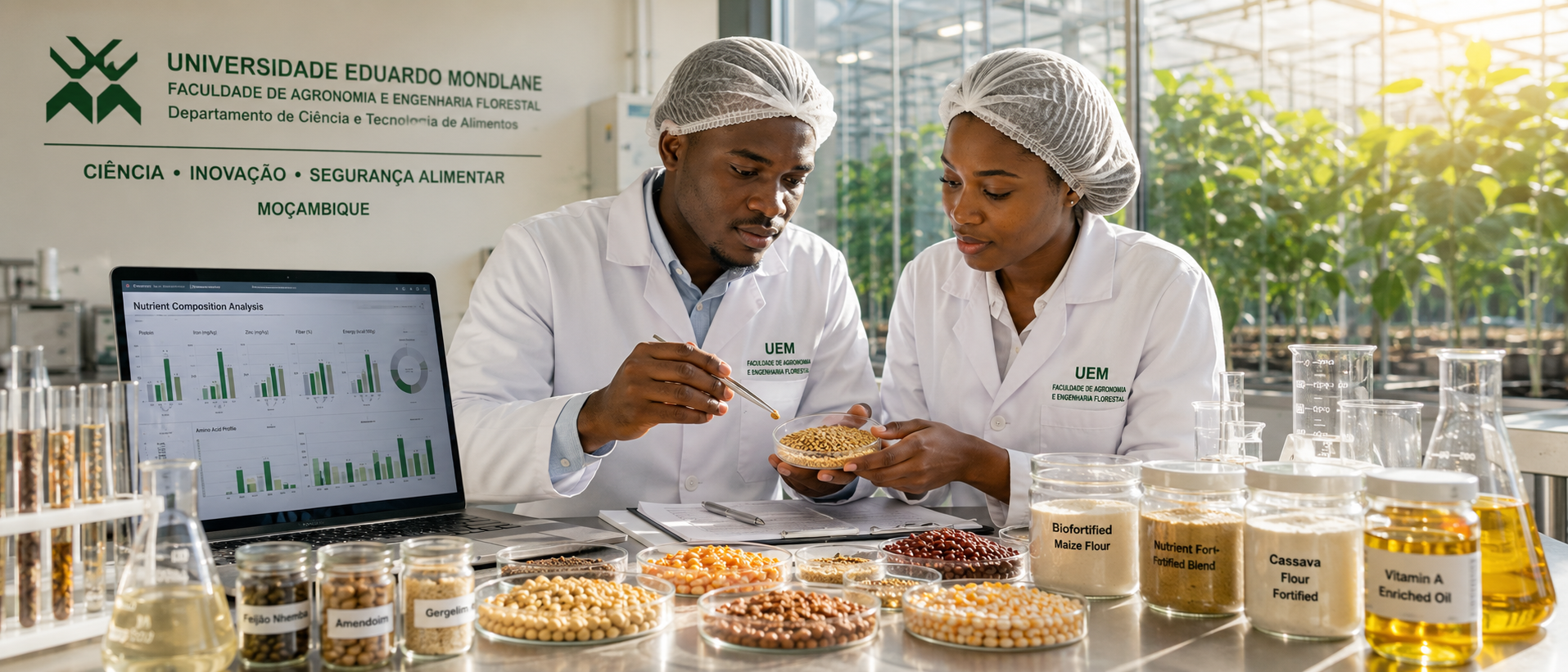
Institutional Impact Stories
See how our capacity-building short courses and data pipelines are empowering regional practitioners and research fellows.
Integrating the center’s automated data workflows completely modernized our regional reporting timelines. The transition from manual entries to structured data models saved our team weeks of operational tracking friction.

Dr. Fatima Omar
The intensive 2-week modular course delivered exceptional technical value. It provided our policy team with the foundational skills necessary to analyze complex agrifood supply chain friction points from garden to plate.

Jean-Luc Nhassengo
Collaborating with CE-AFSN opened direct access to critical, peer-reviewed policy briefs and open-source datasets. Their synchronized repository has become a foundational asset for our master’s and doctoral tracks.

Prof. Lucas Manhice
Our Institutional Partners



Geographic Monitoring Footprint
Real-time mapping of agricultural evaluations and household metric distributions directly from active field enumerators.
Frequently Asked Questions
CE-AFSN welcomes postgraduate students, researchers, and community advocates passionate about food security. You can join our field research teams, assist in nutritional community outreach, or support our digital agriculture platform data entry. To apply, submit your CV and a brief motivation letter through our online portal under the “Get Involved” tab.
Applicants for our academic mobility and research grants must meet the specific criteria outlined in each call. Ensure your academic transcripts are certified, your research proposal aligns with regional agrifood system priorities, and you have a letter of recommendation from your home department at Eduardo Mondlane University or a partner institution.
All applications must be submitted digitally through the CE-AFSN online portal before the specified deadline. Once submitted, your files undergo a rigorous review by our academic selection committee. Shortlisted candidates are usually notified via email within four to six weeks regarding interviews or final award confirmations.
You can help scale our impact by sharing CE-AFSN’s field insights, open calls, and climate-smart agriculture guides on social media. We encourage institutional partners and student groups to host informational webinars or distribute our nutritional toolkits across regional communities to maximize local engagement.
We actively collaborate with international research centers, government ministries, NGOs, and private agritech companies. External organizations can partner with us on joint funding bids, co-publish regional policy briefs, or sponsor student research projects. Reach out directly via our institutional partnership desk to start a collaboration.
Our regional center of excellence is primarily supported by Eduardo Mondlane University (UEM), alongside international development partners such as the World Bank and various regional agricultural networks. These funds directly finance academic mobility, climate-risk research grants, and localized agrifood open-source technology development.